The Power of Mindfulness and Meditation: Cultivating Self-Awareness for a Balanced Life
Mindfulness and meditation are powerful practices that can enhance self-awareness, reduce stress, and bring balance to our lives. By paying attention to the present moment and observing our thoughts and emotions without judgment, we can cultivate a deeper understanding of ourselves and make wiser choices. In this blog post, we will explore the benefits of mindfulness and meditation, and how they can transform our lives.
Understanding Mindfulness and its Role in Self-Awareness:
Mindfulness is the act of paying attention, on purpose, to the present moment without judgment.
It helps us balance our true self and ego, enabling us to manage our minds and make conscious choices.
Mindfulness can be practiced anywhere and at any time, not just during meditation sessions.
The Relationship Between Meditation and Self-Awareness
Meditation is a transcendental process that facilitates self-awareness and a connection with our true selves.
It allows us to observe our minds without reacting and expands our ability to remain present and mindful in daily life.
Through meditation, we learn to become detached from our ego-driven thoughts and develop a state of non-reactivity.
The Importance of Mindfulness in Real-Life Situations:
Cultivating the Tao (the way) involves practicing mindfulness in the material world, embracing its challenges and messiness.
It’s good to practice being self-aware and mindful in noisy, busy, and distracting places. Don’t avoid them [these types of places] to cultivate this skill. If you can stay present and awake in crazy situations, you will find that it is when you need it most.
By applying mindfulness to our problems and experiences, we learn valuable lessons and make better choices.
Mindfulness empowers us to step back from destructive reactions and make decisions from a place of wisdom.
Overcoming Emotional Reactivity through Mindfulness:
This article is the first in a series of posts on Tao strategies for achieving goals and living a long and successful life.
The main Tao principles for avoiding failure: The document discusses some of the Tao teachings that can help people overcome obstacles and challenges, such as meditation, wu wei, oneness, moderation, simplicity, and desire.
The ultimate goal of longevity: The document explains that longevity is more than just living a long life, but also living a content and well-being life that is aligned with one’s spiritual harmony.
The importance of working on the self first: The document emphasizes that the quality of the mind creates the quality of existence and that one should cultivate sovereignty, which is the ability to detach from the ego and take charge of one’s life.
The role of self-discipline and willpower: The document advises that one should be mindful and careful of the goals they select and that they should have the self-discipline and willpower to resist distractions and bad habits that can lead to failure.
The next step in the series: The document announces that the next blog post will discuss how to wake up and take charge of the mind through meditation and mindfulness.
It’s January and we are all starting a new year. I was curious about what the new resolution failure rate is so I asked an AI (MS Copilot). Copilot says that a 2016 study that of the 41% of people who make resolutions, only 9% feel they were successful in keeping them; and that means a 91% failure rate.
I have spent a lot of time contemplating failure, and until I began following the Tao, I was one of the 91%. Once I began practicing some of the Tao teachings, I was able to achieve a higher success rate.
A New Series – Being Successful in 2024
This post will be the first in a series of articles on Tao strategies for avoiding failure and achieving goals for a more successful life this year. I anticipate topics later not listed below, these are at least what will be covered.
Discussion Post Topics
Meditation / Mindfulness vs Distraction
Wu Wei – detached action vs Striving and attachment to outcome
Oneness vs wrong thinking
Moderation, balance, and Harmony vs Excess, imbalance, and entropy
Simplicity vs complexity
Desire: Want vs Need
What is your life goal?
Longevity is the ultimate life goal. Taoist longevity is more than just clawing your way to old age only arrive to senior hood in such a poor condition that you cannot fully enjoy the golden years. There are those [seniors] who can enjoy many years of contentment and well-being having successfully traveled a long life journey avoiding chronic disease and poverty. Your life goal could be to live long and well, experiencing, learning, and evolving spiritually. The longer you live the further you advance. How well you advance, and how successful you become will be determined by lots of factors. The goal of longevity is to live a long, content, and successful life.
Most people have learned that big goals are accomplished by breaking them down into actions and steps that carry them along to their destiny. This new year we have begun another time segment along the way. We are experiencing life and passing along a timeline cycle that begins January 1st and ends December 31st. This is a moment when you consider your destiny.
Thanks to Lao Tzu, Tao cultivators know that the future is not pre-determined. That we craft our destiny in the choices we make each moment of each day along our life path. Tao cultivators also know that physical longevity is reflected by the cultivating of spiritual harmony. Spiritual harmony is cultivated in the relationship between the spirit, the mind, and the physical world. Remember, we are spiritual beings having a physical experience. The quality of the mind creates the quality of existence. Taking a moment to be self-aware and reflecting on your Life goal is a most powerful step for Longevity and well-being.
Where do you want to be in life by the time you become a senior? Think of how you want life to be like then.
Now think about where you want to be at the end of this year.
What do you need to do, what are the action steps you need to take to get there?
Can you see that all other goals either take you towards achieving your Longevity (life goal) or they take you further away from them?
Be mindful and careful of the goals you select. If you are not setting goals that create a destiny of well-being, you are wasting time and resources. By this statement, I am asking you to examine your New Year resolution to see if you are striving for success as defined by ego mentality. I have noticed in my “self” and others, that when in an ego state of mind, I will find my “self” thinking/saying “I will be happy when _____(fill in the blank). These can be empty goals. This ego trap can be avoided by learning to be content in the present moment and not postponing happiness and well-being until some future moment when you may or may not achieve the goal. Also, be realistic and consider carefully how achievable the goal is.
What are the costs? Consider the cost to be more than just money, but also time and energy. How will the money, time, and energy spent on working on this goal affect other areas of life?
What motives or intentions are behind your decision to pursue this goal? Are they driven by ego traits such as vanity, greed, or any other superficial desire? Or are they based on more virtuous reasons such as being fit and healthy? Are they simple, straightforward, less expensive, and not complicated?
Are the actions and steps simple and easy enough that you can do them without striving? Are they challenging enough to be meaningful when completed?
Do you have the self-discipline and willpower to resist the many ego distractions that can take you down a side path and away from the true path that leads to success? Be honest [with your “self”] and consider how well you can maintain these two virtues. If you answered no to self-discipline and willpower, then this book is for you. Without these two virtues, you will fail. Willpower and self-discipline fall under the Tao principle of Sovereignty, which is to be able to be detached from the ego influence and take charge of your life.
Let me be clear, goals are important. Ship captains all have a distant port that they are navigating towards for a future arrival. Yet all sailors know that along the way, day by day, life goes on while the ship slowly makes its way toward its destination. All sorts of obstacles and challenges can appear along the way. As long as the Captain, crew, and ship stay focused and do their job they maintain their forward progress. A voyage will face challenges, slow-downs, and setbacks, but the Captain stays on course by dealing with all the small and large problems they will encounter.
A journey of a thousand miles begins beneath the feet.
Lot Tzu’s Tao Te Ching, v11, Chapter 64
Moment by moment, mile by mile they keep tracking towards their destination. Each step is right here, right now. The example of the Captain, ship, and crew is a metaphor for your life journey. The ship’s Captain is you, the spirit commands and makes all final decisions. You are the Captain of your journey through life and your crew are all the people you interact with who help you get to where you are going. Letting the ego take over your mind, would be like the Captain going to sleep and only waking up when the ship runs aground. Or letting ego emotions take over the mind is like a crew that mutinies and takes over the ship, and decides to change course and go to a more attractive destination. When this happens, the cargo is never delivered, the goal is not accomplished and problems get worse.
So the Tao lesson for doing this is called “working on the ‘self’ first”. This means that in the moment-by-moment, day-to-day journey of life, you are awake, aware, and mindful of each step you take to get where you intend to. All ships face stormy weather and other obstacles along the way. A voyage is a series of course corrections that keep the ship heading in the right direction to the intended destination. Your life voyage is the same with each moment offering choices that either lead you toward your goal or away from it.
The Topic: Sovereignty – The Spiritual Discipline of “self” management.
The first Tao principle for you to begin working on is Sovereignty. As mentioned above, research uncovered by the Copilot AI, that most people (91%) will fall off of the path and not keep their promises to themselves. My experience is that it takes Willpower and Discipline. Or more accurately it takes “Self” discipline.
I define a Sovereign as one who is the supreme authority or ruler over a domain. You can think of it as being the leader of a country like a President, a Prime Minister, a King or a Queen. Sometimes these supreme rulers are great leaders and are loved by the people, and sometimes they are hated as wicked despots. History remembers them as benevolent and wise leaders. Modern society has memorialized their words as common sayings. And you can look back through history and see where the powerful tyrants have created catastrophe and suffering. These types of monarchs have left devastation and are remembered as examples of humanity’s dark side.
For a moment think of yourself as a Czar and the empire you rule over is your life. Within this dominion are the people you interact with and the challenges you experience. As the ruler over your life, how is it going? As the president of your life, your choices and decisions play a prominent role in both the present moment and your future. The seeds of the future, your destiny, are planted in the present moment. The present moment you are experiencing now began in your past. As the top decision-maker, what kind of life have you created?
Sovereignty is about how you can become a successful and efficient ruler through consciously cultivating “self” discipline and will-power. Sovereignty is more than just a term; it is a state of being. It is being self-aware and mindful of how you perceive reality along with wise choices and right actions. It is a management system implemented in a state of self-awareness. This self-awareness is an awakened state, as a spiritual being, managing and experiencing life. See the blog devoted to cultivating The Tao of Sovereignty.
If you look back over your life and consider the areas where you have failed, you will see that being unable to control ego, desire, and other emotions was the main reason.
“…Accumulating virtues means there is nothing one cannot overcome
When there is nothing that one cannot overcome
One’s limits are unknown
The limitations being unknown, one can possess sovereignty…”
Excerpt from Chapter 59, Tao Te Ching
Cultivating Sovereignty is simply working on the “self” first. In this case, “self” is the ego aspect of your mind which is often in control. If the ego becomes the ruler over the mind and all of the many life choices, you will experience failure often. Working on the “self” means waking up, transcending, and becoming free of this mental state so that your deeper essence, your spirit, and your true self are in charge of your life. To wake up is to become “self-aware” and to detach and to move beyond being trapped in the ego mind. As the old master Lao Tzu states with this ability “One’s limits are unknown”.
About the ultimate goal of Life, which is Longevity, you will no longer be trapped in continued failure but instead create a destiny, a future that is the one filled with a series of continued successes. To be even more specific, with Sovereignty (spiritual self-discipline), you will be able to break those dangerous habits that cause chronic disease. With willpower, you will be able to resist bad financial choices that lead to not having enough money to live comfortably.
The next step is to learn how to wake up and take charge of your mind. We will discuss that in the next blog post: Meditation and Mindfulness.
I invite you to read a copy of the book, The Tao of Longevity, which is filled with much more detail than found in this blog series. If you are an Amazon Kindle Unlimited Subscriber, you can get a free copy of the book here.
“The Tao of Longevity is a book that explores how to prevent and heal chronic diseases by following the ancient wisdom of Taoism. The author, Samuel E Beasley, shares his personal journey of overcoming two chronic diseases that were caused by his unhealthy lifestyle habits. He explains how he discovered “the way” of Taoism, which is a philosophy and practice of living in harmony with nature and oneself. He also provides practical advice on how to adopt a Taoist lifestyle that leads to natural longevity and well-being. 🌱
Some of the topics covered in the book are: How to stop making bad choices that cause chronic disease and how to take control of your life and destiny.
How to cultivate a calm and disciplined mind that can make the right choices and stop self-destructive behaviors.
How to nourish your body with natural foods and herbs that support your health and vitality.
How to exercise your body with gentle and effective movements that enhance your energy and immunity.
How to balance your emotions and cultivate positive feelings that enrich your life and relationships.
How to connect with your spirit and discover your true purpose and meaning in life.
The book is based on the author’s personal experience and research, as well as the teachings of Taoist masters and sages. It is written in a simple and engaging style, with anecdotes, examples, and exercises. The book aims to inspire and empower readers to transform their lives and achieve a long life of well-being. 🙌
I hope this summary gives you an idea of what the book is about. If you are interested in reading the book, you can find it on Barnes & Noble, Goodreads, ThriftBooks, Amazon, or other online platforms. You can also follow the author’s Facebook page for more updates and information. 😊 If you have any other questions or requests, please let me know. I can also generate creative content
The Tao is empty; when utilized, it is not filled up So deep! It seems to be the source of all things.
V1&2, Chap 4, Tao Te Ching
During a recent Tao lesson on Chapter 4 byDerek Lin, he said something that is good advice for Tao cultivators who are always looking for ways to implement Tao practice for success in life. He was discussing verse one, which is Lao Tzu’s explanation that the Tao is empty but unlimited. Derek used our universe, space, as an example. Space goes on infinitely, without end and without limits. In this line, Lao Tzu is describing it as if it were a vessel that, no matter how much is poured into it, it is never filled up. He uses the ancient word for “use it,” in which the modern context is worded as “utilized.” Thus, the suggestion is to use it (the Tao) as a tool to be used. Derek explains that the more you use the Tao, the better life becomes. The rest of the chapter is about applying the Tao in life. If you read it without explanation, it very well may not make sense, so I encourage you to watch the video as Derek unpacks the deeper meaning of this ancient wisdom. Once you have heard the entire lesson, you will see why Lao Tzu says, “So Deep! It seems to be the source of all things. “
So, after hearing this lesson, I began to think about the concept of using the Tao as a tool. And more specifically, how does one use the Tao daily to succeed, thrive, and survive? How would Tao cultivators use the Tao for Longevity goals? What are some Tao lessons that would apply?
To begin with, one has to learn to awaken and be present. Being present includes mindfulness. You must be self-aware and consciously recognize the moment of choice at hand and then be able to consider how to apply the Tao to that situation.
Yet, as I found out, just being aware is not enough by itself. One must learn the spiritual lessons or Tao lessons that can be mindfully applied. By studying the Tao, you will have the lessons at hand to apply when the opportunity arises.
This brings about the question of what Tao lesson should you learn? My answer is that you can start with a problem or question you may have right now in your life. What is something you are trying to deal with? What is a situation where you really need to make the right choice and be able to follow the right path forward to good place in the future? If you have studied the Tao, you might know right off what the Tao would recommend. Others of you may not know in the beginning where to start. Your journey begins by searching for the answers and lessons on your own. Perhaps in one of my books, you will see something that resonates. A good start would be listening to a lecture such as the one listed above. Over time, you will pick up lots of interconnected wisdom.
Longevity Challenges
How would a Tao cultivator deal with some of the current challenges our world faces today?
We can start close to home with our wallets. Most people right now, November 2023, are coming face to face with the cost of living becoming a challenge. Everything is expensive right now. Trying to avoid becoming homeless is harder and harder. So, as a Tao cultivator, I can see two complementary perspectives. The first is prevention, and the second is conservation. Like all Tao virtues, these two can appear to be just “feel good” cliches with little practical value. But Tao cultivators recognize their power.
Prevention is something many people could put more emphasis on. Yet you should also see that prevention is easier applied if one has also been practicing conservation. From a financial perspective, conservation would be to mindfully manage limited money resources so that they go as far as possible. It is hard to enact prevention from a state of lacking resources. But once the action of conservation has taken effect, resources will stay available. From an awakened state, steps can be taken to avoid unnecessary spending. Having enough financial resources to live a comfortable life in all circumstances is the goal of the Tao cultivator.
Keep this lesson simple.
Wake up.
Pay attention to desire.
Use discipline to refrain from making useless expenditures.
It’s not complicated, but in the beginning, it can be hard do to. So start small and be consistent. Cultivate mindfulness so that you can be awake and aware of what you are doing and why.
What did Lao Tzu think about conservation? He listed it as one of “three treasures” that he held a very important. You can learn more about the lesson of The Three Treasures here.
…I have three treasures I hold on to them and protect them. The first is called compassion. The second is called conservation The third is called not daring to be ahead in the world..
Verses 7-11, Chapter 67, Tao Te Ching
A Tao Tool for Conserving Financial Resources
Conservation, the second treasure, is to take care of what you have. Regarding financial resources and the ability to create wealth, one should take great care not to waste them. In my book, Sovereignty, I discuss at great length how the ego, if left unmanaged, causes great self-harm.
So, one must be awake and present to make wise choices for well-being. At the root of ego waste is the anti-virtue of desire. Managing desire is part of the process of self-discipline. Self-discipline, controlling the ego self, is applying the Tao in life. When the ego is controlled, you are aware of it, yet have no trouble asking yourself in the moment of choice, is this a want or a need? Too many choices where you give into want or false need will unnecessarily waste financial resources. As someone who knows first hand, this directly affects quality of life.
A lot is riding on being on sound financial footing. Sometimes, life becomes hard through no fault of our own. Yet the opportunity will come when you can do something constructive to improve your situation. At that moment, it is important to know what to do. That is when the Tao lesson will come into play. In a moment of clarity, you will ask:
Do I save that money, or do I give in to my ego?
Will this take me further from or closer to financial stability?
Is this something ego wants, or do I really need this? (be honest!)
Health and Fitness
Once you learn the virtue of conservation and apply it daily without even thinking about it, you will have a Tao skill to “hold it and protect it.” This same Tao tool, conservation, is a principle that should be applied to other areas of life, such as Health and Fitness, which require the same spirit of conservation. With diet, it is the quantity and quality of nutrition. Can you be conservative with your nutrition and avoid those things that negatively affect your health? Overindulgence and poor nutrition quality can quickly erode Longevity. Conservation applied to lifestyle in the form of eating can keep you on the path to good health, which is arguably necessary for Longevity.
With Fitness, it will mean learning to conserve energy through a balance of rest and exercise. Lots of this is discussed in the Tao of Longevity Book. See the section on The Longevity Protocol. Good Fitness is a state of harmony derived through a balance of physical activities with its complementary opposite of rest and sleep. Conservation protects this balance and the sense of Harmony that can be a game changer in the way you feel. In this way, a Tao cultivator uses the tool of conservation to manage various aspects of life and lifestyle to achieve the highest success.
“So deep! It seems to be the source of all things.”
The action of conservation is a Tao tool. To really see its “deep” effects, you must use it in all aspects of life. I have found firsthand that it works. Now that you see that Tao lessons are tools to achieve success in life try seeing how you can use other lessons/tools to help you navigate life for the long haul. See out other Tao lessons, get to know how they work, and try them in everyday situations in life.
Don’t Forget Karma
Don’t forget the actionable creative force in the Tao known as Karma, or cause and effect. Every choice and every decision are seeds planted in each moment that will grow and mature into a future state of experience. So, in each moment, plant the seeds of virtue so that you will end up in a better place down the road. With this in mind, consider the other two treasures that Lao Tzu holds dear and holds onto: Compassion and Humility which are Tao lessons in themselves. Just know that these are powerful life-changing tools to cultivate a better life if you use them effectively.
All the blog posts in this blog are lessons that are tools to be used by a person cultivating the Tao. When you read about a different lesson, try to think of how they, too, can be used as tools for Longevity. You might also explore the other book blog for other Tao lessons regarding spiritual self-discipline. The Tao of Sovereignty Blog.
Self-Care: Devotion to longevity through regular steps to restore and preserve well-being both internally and externally.
What is your idea of self-care? Is it binge-watching TV after a hard day? Is it eating “high calorie, low nutrition junk food after a long day of drama? Maybe, if you are lucky, you realize it’s not the right path and are searching for answers. Chapter 33 in the book discusses this important lifestyle routine to stay on the better, enjoy life, and stay on the longevity path.
There are many chapters on bringing about harmony, the foundation for well-being. The Tao Te Ching has many lessons for avoiding the things that cause stress, drama, anxiety, and the seduction of desire (ego). Five sections of The Tao of Longevity book will guide you in understanding how to take care of your “self” along your life’s journey and avoid the suffering brought about by following the path of distraction being dominated by the ego (self).
Meditation is the highest level of self-care because it is the means of transcending the distracted state in which we make our worst choices. Bad choices, often made while coping and distracted, have the karmic effect of evolving into a state of suffering, which is the opposite of well-being. Self-care is the action of preventing, restoring, and maintaining a high state of harmony and balance through the everyday choices we all make each day. So many of us are necessarily distracted and do not even notice what we are doing and what impact it will have on life, so it is important to wake up and pay attention to what we are doing and why. This is the function of meditation and mindfulness.
Once you are “self-aware,” you can head off the not-smart choices and choose things that will bring about the conditions for feeling really good as a normal state of being.
So…how well are you taking care of your “self”? Ready to take charge of your life path and find that place where you honestly feel and think “life is good”?
Virtue in popular culture can be defined as a word that describes the quality of good behavior and morality. Taoism has much deeper meanings that carry the power to determine your destiny. Tao cultivators work diligently to “accumulate virtue.”
Submitting early is called emphasis on accumulating virtues
Accumulating virtues means there is nothing one cannot accomplish
Verses 4-5, Chapter 59, Tao Te Ching
When I first saw these verses, I immediately wondered what “accumulating virtues” meant. And the phrase “there is nothing one cannot accomplish” really got my attention. The statement implies that by accumulating virtue, Longevity becomes possible. Remember Lao Tzu’s promise that:
They have no determined outcome.
Who knows their ultimate outcome?
Verses 7-8, Chapter 58, Tao Te Ching
You can see that the Tao principle of Virtue plays a key role in cultivating Longevity as well as other areas of life.
The word Inherent is defined as something that is embedded in something and not easily displaced. In the verse from Chapter 59 above, “submitting early is called emphasis on accumulating virtues”, which means one should begin accumulating virtue as soon as possible so that it becomes deeply rooted or embedded in your psyche or second nature. The inherent power of virtue can be understood by examining the phrase “by virtue of”, or by stating “because of” before a successful accomplishment. Examples:
“By virtue of her patience and self-discipline, she was able to lose 100 pounds.”
“Because of his reputation for honesty, he was able to gain the trust and respect of the team, so that victory was at hand.”
In the first example, because of the virtues of patience and self-discipline, she was able to be successful in losing weight and achieving a weight goal. By accumulating patience and self-discipline, their power became her inherent power, or embedded and not easily lost.
In the second example, by virtue of his reputation for honesty, he gained the respect of his team members so that his team trusted his leadership and followed his guidance so that victory was the result.
In every waking moment of every day, we all make choices that determine our future. When we want to achieve success, we must make choices and take actions that will achieve our goals. Causation is the initiating action that will end with a result. The principle works for both the tangible and the intangible.
Tangible: Think of seeds being planted in a garden. To grow a garden, you must plant the seeds for the plants you want to harvest. Causation is the planting of seeds; Effect is the reaping of fruit from the plant when it has matured. The action of planting seeds results in the growing of food. This is the cause and effect utilized for growing plants.
Intangible: Cultivating and accumulating Virtue is action or causation that will result in success, as in the examples above. Cultivating the virtues of patience and discipline results in losing weight. Cultivating honesty results in a reputation that team members trust and follow.
Your current life situation is a result of cause and effect from the past. The choices you make and the actions you take have resulted in what you are experiencing in the present moment. Because of the inherent power of virtue, the choices and actions you take for longevity will have the greatest chance of success. Therefore, you should practice cultivating virtue because your future and longevity depend directly upon it. While it is true that there are circumstances that happen that are out of your control, how you react to the inevitable obstacles and challenges in life will affect your future.
There are many different virtues to learn and cultivate that will enhance your ability to succeed in life. It is not hard to see virtues, yet it can be challenging to implement them. This is because virtue tends to not be an aspect of the desire-seeking ego mind. When I looked up what the opposite of virtue was online, the list was:
Vice
Iniquity
Wickedness
Sinfulness
Immorality
Impropriety
Sin
These are all immoral descriptions, which are qualities of the Ego mind. But rather than see Virtue as moral, try to see its inherent power for cultivating a long, successful life. Here is a brief list of Virtues to consider:
Conservation, Compassion, and Humility (Lao Tzu’s Three Treasures) [1]
Now, try visualizing the practice of these virtues in everyday life. Think of the success you have had and consider how they helped you. Specifically, think of how practicing some of these virtues can create a destiny of Longevity. Remember, your destiny is created in each choice you make, so if your Longevity goals are to lose weight, exercise more, lower your blood pressure, or avoid toxic foods, what virtues must you practice to achieve it.
To accumulate a virtue means that you have practiced it so many times that it has become second nature. You don’t have to think about using them when you make your life choices.
Accumulating virtues means there is nothing one cannot accomplish
If you want to prevent or cure disease, work on accumulating virtue and harness the mystic power of virtue. This is the Tao of Virtue.
Summary: To Cultivate a Successful Destiny, Integrate virtue into your life.
The way you live your life and lifestyle either promotes or corrupts Longevity.
Virtue leads to Harmony, which leads to well-being and Longevity.
Your Lifestyle is a reflection of your life choices. Virtuous choices lead to successful living.
[1] See Chapter 67, Tao Te Ching: “I have three treasures, I hold on to them and protect them.”
This image shows different images of the same jar. One is with the mud and water disturbed and murky, the other image shows the mud settled to the bottom and clear water above which is reflective of what happens to the mind when one sits in meditation. Murky water is a metaphor of an anxious mind which is represented by the jar on the left. The other represents a mind that is still and has clarity (oneness with the Tao).
If you missed The Tao of Oneness Part One, go here
Part Two of this Chapter (the middle part) indicates what happens without oneness.
The sky, lacking clarity, would break apart
The earth, lacking tranquility, would erupt
The gods, lacking divinity, would vanish
The valley, lacking abundance, would wither
Myriad things, lacking life, would be extinct
The rulers, lacking standard, would be toppled.
Verses 9-14, Chapter 39, Tao Te Ching
Lao Tzu’s Tao Te Ching translated and annotated by Derek Lin.
When the weather is stormy, the skies are cloudy and not clear. When our minds have stormy weather, our choices and decisions lead to negative results.
When the earth erupts, it can be like a volcanic eruption, which is a good example of what happens when people lose their temper. Anger and violence create cataclysmic mistakes and create tensions, strife, violence, and devastation.
When spirituality is put aside or forgotten, a person loses the benefits that come with it, such as wisdom, discipline, and faith. When cultivation stops, we become vulnerable to mistakes and consequences.
When the valley and the river that provide nutrients (abundance) dry up, all those living things that are dependent on it begin to wither away.
When the myriad of living creatures lacks vital life energy and die off, which leads to extinction. In a more modern and personal context, this means health. Without oneness, health declines and will lead to death.
When rulers lack the world standard (being a good example), people no longer listen to or follow them. They are no longer looked up to or can be seen as someone to follow as a source of advice, and they lack credibility. Without oneness, they become irrelevant. loss of oneness leads to as reflected in the sky, earth, divinity, fertile valley, life, and leadership:
A lack of clarity (being clear-minded and having understanding).
Cataclysmic results interrupt well-being and bring about suffering.
Spirituality (divineness) begins to erode and disappear, which leads to the emptiness of purpose and spiritually void and empty. (Ego will fill the void).
A lack of abundance in its many examples. Quality of life withers, and suffering fills the void.
Loss of health and well-being. Atrophy sets in, and unless it is turned around will lead to death.
With rejection and loss of natural leadership. You become irrelevant at best, and no one will see you as someone to follow or listen to because of such an inferior performance.
In summary, these reflections of existence deteriorate.
The benefits of oneness:
Clarity
Tranquility
Divinity (Spirituality)
Abundance
Physical Life and Health
Leadership
The consequences of not having oneness:
Unclear judgment and thinking
Destruction and life coming apart in disintegrating fragments
Being controlled by ego and its emotions
Poor health leads to death
Becoming an example of failure in life (how to not live life)
You can see the importance of Oneness. So, what is Oneness?
Answering this question requires examination from three aspects. Unity, Connectivity, and the One True Path.
Unity. Unity begins with the perspective of bringing the unity of all things into one reality. On the largest scale, this would be the universe and everything in it as one collective. Oneness of the Tao begins on a personal level that is relevant because our lives reflect all other aspects of the Tao. It’s a pattern that you will recognize.
For example, we can see that the universe is not empty but filled with stars, gases, planets, and other elements. It is a collection in a working system that is thought to begin with the big bang.
A reflection of that system is the human body. We are a universe contained within our physical bodies. We have many different elements from the skeletal bone structure down to the microscopic cells that keep us alive. We even have life forms living in symbiosis within our gut. From large down to small it is a living system, a collective that works in harmony with natural law, the Tao. Taken to an even smaller level, such as microscopic, atomic, and quantum, the same pattern is seen. It is a collective of many parts that is unified and inseparable.
Connectivity. Another perspective is to see oneness as the connectivity between us as a people. Collectively we are one, yet despite being individuals we are all connected. The perspective of being separated from everyone else is an illusion that is opposite from Oneness. This [illusion] or desire to be separated from everyone else leads to division and separation. Lack of unity and divisiveness creates strife and conflict. Unity opens the way for cooperative harmony. Unity is Oneness. Reasonable people will see this to be true on every level beginning with everyone in your neighborhood, in your town, in your state, in your country, and especially throughout the world. Together we have Oneness. When as a world society we develop Harmony, prosperity, and well-being follow. When we have disparity and disharmony between societies, we have war, famine, and large-scale suffering. There is Harmony when people ascend the ego mind. There is disharmony when people are prisoners of their egos. Those who find their true path, join with others who are where unity brings widescale well-being. When ego-centric people collectively follow their own self-destructive paths there is widescale suffering.
The third aspect of Oneness is the One True Path which is a rich topic and is revealed in detail in Part Two of the Oneness Feature. This post is just a paraphrase of Derek Lin’s Lecture on Oneness. This has been just a brief report on what he goes into detail about. Here are the links to the lectures that this lesson is sourced from. I invite you to watch and listen to the in-depth translation and explanation of this especially important Tao principle.
Part Three
(The Third Part of the chapter on Oneness) How to Attain it.
The Tao of Oneness – Finding the One True Path
Therefore, the honored uses the lowly as basis
The higher uses the lower as foundation
Thus, the rulers call themselves alone, bereft, and unworthy
Is this not using the lowly as basis? Is it not so?
Therefore, the ultimate honor is no honor
Do no wish to be shiny like jade
Be dull like rocks
Verses 15-21, Chapter 39, Tao Te Ching
The One True Path.
Left the muddy water represents a turbid mind. Right is a settled mind that has clarity. The sediment has dropped away through tranquility and stillness.
Parts One and Two ended with two of the three aspects of Oneness. They were Unity and Connectedness. The third aspect of Oneness with the Tao is finding and staying on the One True Path to attain oneness. Attaining oneness is to gain:
Robust life energy (Qi) to maintain and enjoy life
Sought out by others due to success (example for others)
The One True Path is the one that is unified with Tao teachings. It is the one that creates, sustains, and promotes successful living. The Tao, also known as “The Way,” is the one true path. This aspect of how to be on the One Path is something that most people will not recognize with a skilled teacher points out the intentions of Lao Tzu. Which path is the true one? You must seek that answer by finding clarity. As mentioned above, you must do this yourself. It happens through practice, trial, and error. This is what cultivation is. How do you know if you are being successful? Karma is your judge by enacting cause and effect. You will know when life becomes simpler and better. You will know when your spirit is right (clarity), and your heart is tranquil. You will know when the people around you start to notice and want to mirror what you do and have.
The True Path is the most optimal and beneficial. When you sit and contemplate this you can get a sense of which way to go; which path to take. In those moments of choice when destiny awaits, you step forth carefully with wisdom.
Your true path is unique to you. Of the many choices, only one is the true one, the most optimal. Tao cultivators have learned that the Tao teachings reveal which path, is right and which is wrong. This one true path is that which has Oneness with the Tao and not the distracted side paths of the ego.
Here are some steps for finding and attaining Oneness with the Tao. This section is characterized by the virtue of Humility.
Humility becomes the way to self-honesty. With self-honesty, you can take ownership of your faults and change your ways. As you contemplate what this all means to you, ask yourself what you need to master to attain Oneness? What is it you will commit to? What speaks to you in such a way that you are willing to invest in and stick with for the long term. It is writing this book and sharing what I learn through blogging. I do this because I have seen it work in my life. This can be one of your most important decisions, so think carefully before vowing and committing to it.
As you consider this be truthful with your self-talk. What are you holding in your heart and mind? What is the underlying intention behind your consideration? Your motivation should come from a place of gratitude. Solid intention and a foundation of gratitude are necessary parts of the recipe for Oneness to work.
These two virtues will empower and motivate you to action, which is the next step in the process. As you experience the benefits of Oneness, the feeling of gratitude will join with the intention to share what you found with others. As you gain clarity and tranquility, Oneness arises. As you begin to master Oneness, you will look back at the past with a feeling of never wanting to repeat the lack of vision, the instability, the spiritual awakening, the lack of abundance, and the lack of leadership amongst your peers. Naturally, having transcended that, you will feel grateful for your newfound wisdom. As you begin to attain Oneness, others will notice your success. They will want to know the secret, and you naturally attain leadership by request.
Then you will gladly take the next steps because you know how effective they are, and you want others to receive the same benefits. These actions become second nature and will compound over time, leading to a mastery of life.
The Protocol steps and levels listed above are:
Commitment,
Intention,
Gratitude,
Actions,
Mastery
There is an alchemy of bringing these spiritual ingredients together in such a way that the sum is greater than the individual parts. The result is Oneness and the One True Path. For true results, practice this every day until it becomes second nature over time. Be patient and remember why you committed to the process.
With Humility in your heart, you start over and begin taking small steps following the protocol above. Begin and build from the ground up so that you have a strong foundation. Make a commitment to yourself to finish what you start and do a good job. Success at this commitment will help you develop the right intention where you realize a sense of true gratitude about being able to improve your well-being, quality of life and longevity. With gratitude you take actions with courage and confidence because you know that the process works through experience. After a time of success, you will realize that are ascending toward Mastery. With mastery, comes the natural leadership for those who want to know how you do it. With Humility as your foundation, you will not let ego go to your head and stray from the path.
Know that you will have setbacks which are inevitable in training, so know what to do when it happens. Meditation and mindfulness are the self-management skills to deal with those days when can’t hold Oneness. When you can become aware of your cloudy and turbid mind you can find the Clarity and Tranquility that you need through meditation. Mindfulness practice helps you to pay attention and notice the moments when you have a lack of Clarity, and the mind is not tranquil.
When you lose your feeling of gratitude due to the inevitable times when the challenges of life temporarily distract us from our higher self. In those times you can step back (mentally) and remember those times in your life where you were experiencing life with contentment and joy.
Remember those things that you have experienced and are grateful for. Look at some photos of time where you were really enjoying life.
Remember how as you attained Clarity in other areas how it brought more success and joy to life.
Think of people who love you
Think of people who you love and enjoy spending your life with
Take some self-time to enjoy a moment in life again.
Look at all you have accomplished through Oneness up to this point.
Be humble and recognize the fault and resolve to do better.
Summary: Oneness is a powerful Tao Virtue that will improve every aspect of life that you practice it in. As stated in the beginning of this chapter, Oneness is reflected in every aspect of life, especially in spiritual longevity. Spiritual Longevity opens the way for Physical Longevity.
Cultivate Oneness through Meditation, Mindfulness, and Spiritual Cultivation.
Through Tranquility and Clarity, discover your true self and your true path.
Let humility and gratitude be the foundation virtue and guide for attaining Oneness
By adhering to and following your true path, you will transform your life by reducing suffering and achieving Well-being and Longevity.
For a deeper insight into Oneness, watch the original lecture from Tao Teach Derek Lin.
This is an excerpt from the book, The Tao of Longevity (part one only)
The lesson of Oneness is one of the most important and key Tao principles for Tao Cultivators to master. As mentioned before, spiritual longevity leads to physical longevity. Oneness is one of the cultivating principles to work on for having success in life, especially for longevity. After all, you are crafting your destiny in every moment of every day so to heal, restore your vitality and maintain it for the long haul, Oneness is essential to cultivating spiritual longevity. We begin with Lao Tzu’s Chapter 39 which explains the what, why, and how to cultivate it.
The chapter can be broken down into three parts in which I am sectioning into two parts as separate blog posts. Part one is a study of sections one including verses 1 -8, and Part Two are verses 9-14. And Part Three is verses 15-21.
Part One. What is Oneness and how is it reflected in life, especially for Longevity?
The Chapter Study begins with part one which is the first 8 verses of Chapter 39. Its sub-title could be stated as You Mirror All Aspects of the Tao
Those that attained oneness since ancient times
The sky attained oneness and thus clarity
The earth attained oneness and thus tranquility
The Gods attained oneness and thus divinity
The valley attained oneness and thus abundance
The myriad things attained oneness and thus life
The rulers attained oneness and became the standard for the world
These all emerged from oneness
Verses 1 – 8, Chapter 39, Tao Te Ching
Oneness is referenced in three different chapters of the Tao Te Ching. It is featured in chapter 39 (above) and mentioned in chapters 10 and 56. You will notice as you read the Tao Te Ching that Lao Tzu uses local metaphors for perspective. These metaphors are historically contextual and may not make sense when you take the translations at face value. Here I am giving you a very basic explanation of what they mean to us now. For a deeper and more thorough understanding please watch Derek Lin’s YouTube video. See the links below.
The first seven verses are examples of different elements of existence in which oneness is reflected in our lives. We are reflections of the universe both internally and externally. Tao cultivators understand that all perspectives of existence are reflected in each of us. Each of us is a reflection of the Tao. Above are seven different examples, and metaphors for seeing the different areas of existence in our life in which we are to mirror Oneness. As you read through these consider how they can be reflected in the different aspects of your life. to personally apply them.
The Sky has oneness when it is clear thus it has clarity. Not having oneness would be cloudy and stormy weather reflected as cloudy or turbid thinking. In life, we can avoid stormy weather by avoiding the egocentric activities and drama that distracts us and causes us to have stress and anxiety. A mind filled with drama, anger, arguing, and fighting is one that clouded my emotion and not thinking clearly. When we see things clearly as they truly are we have clarity. Then perception is free from distracting emotion and mood which often filters and distorts thinking. A good example is to think of when you are in a depressed mood and how ineffective your thoughts are at planning future events. When the spirit and mind are free of these, inspiration rises, and we know our path forward with confidence
With clarity, we are free and clear to observe and flow with life unimpeded. When the mind is clear there is oneness of the true self (spirit). This is clarity through oneness. With clarity, you can make sound and wise choices that advance success in your life.
The Earth has tranquility when it is without cataclysm which is most of the time. Most of the time the earth is stable. However, people are not so tranquil as they are often distracted with drama, debate, arguing, fighting and other negative traits opposite of tranquility. When we are tranquil like the earth is most of the time, then life has stability. Earth here is a metaphor for heart and home which for most people is the center and foundation of life. Most of the time the earth is solid and still and is easy to stand and walk on. When you have tranquility in your heart and in your home which are the center of your life, it radiates outward into all the other aspects of life. How about your life? Is its lack of tranquility causing instability and distraction where you live and work? When we avoid egocentric drama and chaos, we lose our stable foundation for navigating life’s challenges. Too much turmoil erodes peace of mind and heart. When we are constantly bouncing around from one drama to another it is hard to enjoy life and be productive. Oneness in this perspective is to develop tranquility in life by avoiding the distractions and reactions of the emotional ego.
The Gods and divinity are a reflection of spirituality. When you can have oneness in your spiritual development you realize authentic spiritual wisdom. This is to say that when you have oneness in your spiritual life, you do your best to practice, to cultivate the spiritual lesson rather than to just go through the empty motions of being spiritual. The colloquial saying that comes to my mind is “to practice what you preach” or “walk to talk”. Those who just pretend to follow spiritual disciplines reveal their true nature in the things they do in life, in the way they interact with others, and in the lack of true leadership they portray. I am reminded of those who are pious on Sunday morning in the temple or church yet back to business-as-usual on Sunday Afternoon and the following week.
The Valley and Abundance is reflected in our lives through Oneness of clarity and tranquility. The Valley is a metaphor for abundance having its origins in the way the ancients appreciated how the low areas between and following the mountains were where rich nutrients were deposited on a regular basis in the rivers and streams. Perhaps gold is a good example of how nuggets are found in the silt and sand of riverbeds in the valley of hills and mountains. How is abundance reflected in your life? Are you free from distractions and turmoil so that mind, body, and spirit are clear and tranquil so that you can manifest wealth? Or are you living a chaotic life always struggling from paycheck to paycheck and never getting ahead? Wealth doesn’t have to be financial, it can also mean friendship, peace of mind, a happy family, employment, or even the physical locality of where you live.
The Myriad of Things and Life is a reflection for all living things on earth and their life vitality. Oneness with the Tao, to have clarity and tranquility promotes wellbeing and robust life energy, Qi. This energy is what makes life so good from both a health perspective, but also mood, outlook, and a positive perspective. Enjoyment of life is what all creatures seek. Without oneness which is to be without clarity and tranquility is to have low energy, low outlook, dark thoughts, and emotions, and too much suffering. Without Oneness life becomes stressful, dull, and filled with apathy and depression.
The Rulers and the World Standard. Rulers is a metaphor for leadership. When you have oneness, it is reflected in your life and people notice. They want to know the secret and by your example, you become a leader in the sense that people look up to you. You become an example of how good life can be. This verse is not so much about actual rulers, and it is about those who rule their life with clarity and tranquility. It pays off in so many positive ways that people will want to follow the example so their life will be good too.
Use Clarity of mind and spirit to attain oneness
Use Tranquility of heart and home to attain oneness
Use divinity (your spiritual discipline) to attain oneness
Use abundance to attain oneness
Use your robust life energy to attain oneness
Be an example for others (world standard) to attain oneness
There is a great story that gives a good example of how clarity brings about oneness to solve a difficult problem.
Now apply this to reflect your current longevity path.
Clarity: are you clear and committed to changing course away from what is damaging your health and well-being. Is it clear to you how you created your current situation?
Tranquility of heart: is your emotional heart filled with negative emotions such as anger, anxiety, worry, fear, aggression, etc.? Or is your heart calm and tranquil and able to have clarity?
“The Tao that is true and constant.
Those who realize it will attain it by themselves.
Those who realize and attain the Tao, will possess constant clarity and tranquility.
Chapter 12: Qingjing Jing [Chingjing Jing], also known as the Clarity and Tranquility Classic.
Divinity (Spirituality): Are you awakened as the true self and able to maintain the determination to stay on the path or is the ego controlling your life through choices that undermine longevity? Spirituality is the work of cultivating attainment of clarity and tranquility. “Those who realize it will attain it by themselves” means that seeking, the cultivation can only be done by you. Enlightenment or attainment is the result of one’s personal refinement that is the personal true path that they follow; they life that they live. No one can do for you. No one can give it to you. You must seek, find and cultivate clarity and tranquility for yourself. Spiritual teachers can only point the way, it is up to you to understand it, use it, and refine your attainment.
Abundance: Is your life filled everything you need to live a long healthy life? Or has a lack of clarity, tranquility and Spiritual power allowed the ego to deplete the things you need to live comfortably?
Life: The myriad of things: within your life, your body, your mind, are the elements that make up your life. Are they reflecting wellbeing prosperity and heath? Or are they tired, sick, weak, and low on resources?
The Rulers of the World: The most successful rulers/leaders are those who have been promoted by their peers. Because they reflect the Tao, people notice the success and life skills. They want to seek to learn and associate with success from those who have attainment. People will naturally follow them. This is what Lao Tzu means by The Rulers of the World”. Those who rise to true leadership through attaining the Tao.
Are you being viewed as someone who is at the top of their Longevity practice?
How likely are your peers to recognize the virtue of Clarity and Tranquility within you?
How likely is it that others will notice your fitness level, your health, happiness, and wellbeing and want to know what you are doing? Or are you an example of what not to do.
I define Meditation as a transcendent state of being. Transcendence is to exist and experience clear of, beyond, or above the physical realm. Even more to the point, Meditation cultivates the ability to transcend the ego mind which often dominates the physical world. To cultivate Longevity, a person must rise above the ego-self and take charge of life. Another way of seeing Transcendence is to understand it awaken from the ego self and go beyond, rise above into the True Self.
Self
The first principle to consider is to wake up and recognize the duality of consciousness and mind, and then to transcend it. Let us begin with a rudimentary definition of the word “self”. In the interactive physical realm ego sense of self is often reflected in the word “me”.
This term is useful and necessary in modern-day syntax for effective communication. We use it multiple times a day, every day. As a language tool, the word “me” is used by a person to refer to themselves. As you can see the word “self” is woven into our way of speech and is indispensable. Also referring to one’s self in the grammatical sense is “I” which denotes who is “doing” or “being”. “Me” denotes the object of a verb and is used when the speaker is the receiver of something. See if you can notice how many times a day and in the context, you use the words Me, I, and Self while communicating with others.
The next perspective to consider is the metaphysical or spiritual one. In this view, both “I” and “me” refer to the ego through its sense of “self-awareness” which is almost reflected through cravings and desire. Examples:
“What about me?” Or “what about mine”
“I need that” or “I want that” and “I must have that to be happy”
The Duality of Self
All things in the Tao follow the Yin Yang duality. The duality of self is in the broader sense The spiritual eternal self and the physical self. The Spirit Self or True Self is the eternal soul, and the Physical self is the entity you identify with and experience life in the physical realm. The Physical self is also The spiritual self that does not think in language so the subject pronoun is not relevant. In the physical realm, the physical self is binary. Physical spirit is a reflection of the eternal spirit (True-Self) a forms duality with the ego-self. Think of Yin (physical spirit harmonizing in the physical realm with the ego-self. When a person has not yet transcended, they mostly experience life through the ego self with Ying following Yang which is how most people identify. Being “me” is all they know. Right now, you may be coming to this realization.
According to Tao Tzu, only one in ten people are successful in life. These are the awakened ones who follow the true path. The rest, nine out ten, suffer and die too soon. These are the ones who have not awakened yet and their ego self is causing failure in life. The one in ten he speaks of have transcended the ego and have attained Sovereignty. Sovereignty is the virtue of ruling over your life with wisdom and clarity.
Transcendence
Transcendence is the process of awakening from the prison of the ego. The ego and its associated mind link form a multiplex of subroutines or personalities that form this illusionary identity. The ego is a mental entity that creates the illusion. This self-created prison is the ego mind which traps the person through craving (desire) and fear. The illusion of prison is constructed by the inability to let go of attachments that arise from desire or fear. When we suffer, we look for ways to cope with emotional and physical pain. These coping measures become habits and addictions which lead to more suffering. Yet we cannot let go because we fear we will lose, and we desire more of it to stop the suffering. It often creates a downward spiral which becomes harder and harder to escape as time goes on. Since this is all that, you know, there appears to be no way out of the life of suffering. This is a big illusion. The illusion can be broken by awakening from this realistic dream state through meditation. The important thing is that every one of us has the potential to awaken and know the truth through meditation and transcendence.
Self-awareness – The True Self
Transcendence is an evolution of awakening:
Awakening – (rising above the thinking mind, the process of detaching)
Presence (Self-aware, present, fully in the now)
Oneness (Stillness, clarity, and unity with Tao)
Dissipation/Dispelling (of desire and emotion)
Harmony
Meditation is a Transcended state of being (awareness) where through observation there becomes a distinction between consciousness and mind. This is a subject-object view where the observer is the subject, and the mind is the object. Who is this observer that is separate from the mind? It is the true self or soul that is eternal and all-knowing. The realization of this is the transcendence of waking up from pure ego being to spiritual being. When awakened (transcended) one is self-aware. This is to say, that the true self is detached and observing recognizing that there is much to life than the singular egoic view of life. Of the two parts of the physical self, it is the physical spiritual self that is unified with the true self (soul). The True Self shines through the physical true self and manages life. This is sovereignty and the only way to manage the ego.
The Ego.
The Ego is a mental entity. It evolved with our species as we grew more sophisticated and learned how to survive in a harsh environment. It is the aspect of mind and self that takes care of “me”. It is crafty, smart, tenacious, and narcissistic. Unlike other religions that direct a person towards enlightenment by annihilating the ego, the Taoist approach is one of management recognizing that completely ridding oneself of ego is both impossible and extreme. Arguably the ego must be managed yet sometimes it can bring forth something that the true self can use. The ego is attached to emotion which can be problematic therefore, transcendence from it being the sole identity is the way to break free of emotional attachments. For the person, possibly you the reader, the ego is all that you know. This means you identify with the ego and all its attachments, desires, and dark emotions. Yet most people have a moment from time to time where a subtle wise whisper suggests the higher path. Part of the wise self will get through, if only for a moment, and in that pause, the true self is rising above, and you are awakening. But then, without training, most will slip back into the world of ego and be lost again for some period of time, suffering, and not knowing how to escape.
Transcendence is the waking of the True Self. This awakened state is known as self-awareness. As you begin to awaken to the realization that you are and always have been a spiritual being having a physical experience so does the possibility of escaping. The prison disappears and you, your true essence is free to construct and manage a successful life. In meditation, thoughts become objects to be observed in a detached non-reactive manner. It is in the stillness or emptiness of thought where oneness with the Tao is discovered. With oneness, you will gain clarity and enlightenment. It is in the stillness that becomes the source of clarity. Clarity is the truth of reality. Enlightenment in this context is the end of self-caused suffering
There are three meditations recommended for the process of awakening and cultivating self-awareness and sovereignty (discipline over the ego).
Transcendence Meditation (Mantra or Breath)
Mindfulness Meditation (detached observation of the mind)
Contemplative Meditation (detached self-discovery and reflection)
There are many other types of meditation, these three are what I advised for cultivating self-awareness, sovereignty, and enlightenment. You can find instructors for these in many places. It is your job to find the teacher and begin the process of learning and cultivating.
Self-awareness is a state of being that is apart from or above the duality of mind and ego. Both the physical spirit self and the ego self mold and shape the mind. It is the illusion that you are the mind is the state that you awaken from. In self-awareness, you become aware of the ego and its influence over the mind and thus life. From the perspective of self-awareness, you can control your destiny through choices the wisdom of the true self makes and ignore the always insistence needy whiny ego. These choices directly affect the destiny of longevity and the quality of present life.
Self-awareness takes cultivation. There is the initial awakening from which most people will fall back asleep with the illusion of ego life. To make it stick takes practice and repetition to get strong and stronger at staying awake, aware, and detached. Through practice, your skill gets stronger and stronger which means that you begin to remain longer and longer in the awakened state. As this happens life begins to change in the most amazing and wonderful ways.
See Stillness Meditation in the Meditation Section
The True Self (Living Spirit) and the True Path.
The Way of longevity is one the being on the true path. What is the true self and the true path? The true self is the transcended sense of self that is awakened and aware. In the diagram above it is called the living spirit. I follow the perspective that in the physical realm and physical life experience these two aspects. Physical spirit self and ego mind self. The living spirit is the avatar of the soul for experiencing physical life. This is the meaning of the saying, “a spiritual being having a physical experience”.
Through meditation and transcendence, the physical living spirit awakens and takes charge of life which is the Tao principle of Sovereignty. In the diagram above you can see that the living spirit holds a larger presence than the ego-self. This is the true self. The ego is a mental entity that evolved with us as we evolved as primates into modern humans. It is a survival mechanism that has helped us to endure. Yet it is also the troublemaker that must be managed. You may have lived your whole life only identifying as ego. If, however, while reading this you realize that there is this better self, then you are beginning to identify as the true self, spirit. Meditation is the way of rising above ego and with practice, there is a place of harmony where the two work together to become a much higher being.
Sovereignty, a key virtue of the True Self, is the spiritual discipline that rules the physical life and manages the ego. Through Sovereignty, harmony between the true self and ego is attained. Rather than annihilate the ego, a balance is achieved between the aspects of self. This balance creates the harmonious synergy that is reflected by a sense of well-being, thriving, and success. This is the true path.
How do you know if you are on the true path? Here are a few questions to consider. Be honest and accurate.
How satisfied or dissatisfied with your life?
Is your life characterized by a sense of well-being?
Are you healthy?
Do you have a self-cause chronic disease?
Are you passionate about your life’s work?
Is your career/job fun, rewarding, and fulfilling on many levels? Or is do you hate your job, feel stuck, and deeply wish you were not there?
How often do you feel stress and anxiety due to influences that seem out of your control?
How often do you feel content with your life?
What do you do when you are not at your job? Are you involved in other activities that you enjoy and serve others? Or are you coping with stress by overindulgence
How often do you feel a sense of contentment, spontaneity and joy at life’s wonderful surprises? Or how often do you feel a sense of self-loathing, disgust, unworthiness, or despair?
What type of people do you seem to attract in your life? People, who seem happy and easy to laugh and smile? Or are you mostly surrounded by people who don’t care, take advantage of you, or are always being disrespectful, moody, and filled with drama?
Do you often feel lucky, grateful, and blessed? Or do you feel unlucky, resentful, and never have enough of that which you desire most?
How often do you look to the heavens and ask, “why me”?
Are you always struggling financially? Or does there somehow always seem to be enough money to live with contentment?
If you answered most of these questions with an honest positive reflection, then you are experiencing life as the true self, on your true path. You are getting the most out of life’s journey and on a good trajectory for longevity. You can even reach a higher level by following the teachings of the way along with others who found success.
If like so many others in our society, you felt in truth, negative affirmations about the conditions of your life, then you are still unawakened, still lost, and under the control of the ego mind. This is the path of self-destruction and distraction is an active element in keeping you there on the path of suffering.
The more that your choices are guided by wisdom the more successful you become at life. As discussed in the chapter The Tao of Virtue choice, virtue and karma create destiny. By accumulating virtue, you develop an extraordinary wisdom for staying on the longevity path. The way of virtue (The Tao of Virtue) becomes the way you deal with life in a moment-by-moment, day-by-day means of crafting your life by controlling ego and making wise choices that keep you on the path of longevity. As you craft your life plan, you make the changes through lifestyle choices.
It is only through self-awareness can you attain the Tao and make the Alchemy of Qigong work. Qigong is the next section on cultivating life. The alchemy is the process of changing something ordinary into something extraordinary. It comes down to the point of whether you can control the ego and through a meditative focus practice the Qigong principles for the magic to happen. It will happen. All you must do is consciously align your way of life with the way of the universe (Tao) and the results will manifest as intended. This is the Tao of Transcendence and the Tao of Longevity.
Finally, you must learn to incorporate the Tao of Longevity into a Lifestyle for Longevity. Later you will learn much about how Desire, Coping, and Indolence fueled by the ego are ruining your chances for that long-satisfied authentic life that awaits you, the true self.
A simple definition of meditation would be a “heightened state of awareness”. Further distinction reveals that meditation is a stated of being where the practice of meditation is a state of doing. Thus, the one cultivates a heightened state of awareness through the practice of focused concentration in a heightened state of awareness. Through practice a transcended state of awareness is the realized by the observing true self. In the heightened state of awareness, the true-self becomes aware of the influence of mind and mood instigated by the ego-mind hence “self-awareness”.
Once in a Dharma lesson, our teacher instructed us to imagine that a loudspeaker was attached to our head and everything that we thought would be broadcast out into the open for all the world to hear. It was part of a mindfulness lesson where we were learning to practice the awareness of what we are thinking. If the world could hear your thoughts, what would they sound like? If you answered chaos, then you are not alone.
I believe most people live in a shifting state of attention. We spend most of our time in either a distracted state or in seeking sources of distraction. Distraction here is defined as the inability to pay attention and experience the present moment. Distraction is a state of mind where attention is absorbed by both internal and external sources. In the modern age, we are conditioned from our earliest days to allow our minds to become absorbed somewhere else. We suspend our ability to be present and allow our minds to be captivated by someone or something else. One example would be television.
Television and videos have become a distraction that absorbs our attention. Even worse, our own cognitive processes are superseded by the content. Perhaps that is one reason the content is called programming. The programming not only induces distraction but also confuses the viewer into believing a false reality. I have been told that there are even television shows that are called reality tv. When we allow our attention to become absorbed by Television we are lost to the present reality and substitute it for the programmed reality. By the time a person is 20 years old, it is likely that their ability to pay attention is very weak and the reality they do perceive is defined by years of artificial experience. When reality does not align with the false reality that they have been conditioned to expect, life becomes problematic. Then real life does not meet the expectations implanted by the programming. In this distracted state, one cannot find and know their true self.
If you spend most of your time distracted, you are not paying attention to the true reality and most importantly, lost to the present moment. So how can you be able to implement a successful life strategy with a foundation of self-control? Specifically, how can you implement self-discipline when you are trying to change bad habits.? And importantly, what if a “successful life” is defined by unrealistic expectations by years of unrealistic conditioning. You cannot remain present and paying attention if you are continuously lost in distraction. This is the first area to work on as you become a cultivator of successful living. You must learn how to wake up and become present to the choices you are making that create your destiny (Longevity).
Self-awareness is our consciousness residing in the present moment and aligned with reality. This is developed through meditation. You must rise above distraction which is a process called transcendence. When your consciousness is absorbed by something else, you are not aware. Most importantly you are not self-aware. By transcending the captivating mindstream that constantly captivates your mental focus from the present. When you are awake you are present. Your attention is right here, right now. It is only and always now. It is in the present moment that you construct destiny by the choices you make.
This brings us the most common distraction which is thinking and being lost in run-away thought. Thinking can resemble a quiet and lazy stream one day and a raging torrent the next. Your mind will often be chaotic constructing mental ‘what if’ scenarios of what might have happened or what might happen. Guided by fear, anger, greed, desire, and a whole bunch of other inappropriate emotions, the mind carries our attention to places that cause high levels of stress and anxiety. These ‘what if’ thinking episodes can often become loops or a voice that plays over and over in your head. This is a very stressful state of distraction where you can become lost in the illusion of something in past or something in the future. Either way, it is either over and done with or it has never happened yet. You must wake up and orient at this moment and this current reality.
Meditation is the higher state of consciousness. When consciousness is absorbed by any distraction, whether it is incessant thinking or watching hours and hours of television, we enter a state of distraction which is a much lower state of awareness (consciousness). With practice, you can learn to keep your attention and awareness present and observing. This state of being is meditation. Meditation is not so much as something you do as it is being in a state of presence and observing.
Meditation is the practice of concentrating awareness on a point of observation where you can observe what is going on in the mind. When you are focused and observing, you are doing so from a subjective point of view. The observer is the subject and the content that is being observed is the object. In meditation, you become the observer, and thinking is ‘observed’. Now you can see and observe that you are not your thoughts. This observer is the true self and is above the thinking mind and able to both observe and manage your life. And most importantly distraction is the state of being where attention is lost or absorbed in thinking. Lost in distraction and is unable to change perspective. Hence the term “lost in thought”. This is not a bad thing when it is a deliberate contemplative process that is seeking clarity. But when your attention is captivated by thinking (an internal source of distraction) and you cannot free your ‘self’ it generates a lot of stress and anxiety. When our attention is captivated by television we are distracted by external sources. When you transcend distraction, you become the observer (true self). As the observer, you can control attention and keep it present in the now. This is done by concentrating the focus on a particular element in the present. The most common focal points are breath (the experience of breathing) or by repeating a mantra. As you observe either one, the attention is kept in the now, in the methodology. It is common, especially for beginners, for the mind to wander constantly and it is important to not react but just return the attention back to the intended focal point. It takes an everyday practice but over time you will be able to cultivate a sense of detachment and find stillness.
Meditation is the realization of the spiritual self (true self), experiencing life in the physical realm. Thus, for the awakened being, life is a meditative balance between being and doing. Too much sitting can be as unhealthy as not enough. One very effective technique is to take up types of moving meditation such as Yoga and Tai Chi. When enough skill has been cultivated, the person can remain in the transcended state which enable many skills for creating longevity. In the transcended state it become possible to practice several important techniques that bring about dynamic healing and restoration.
Before you begin to build your own longevity program, you must learn to manage ego and control desire. As you have read in previous chapters in this book, self-discipline is the Tao principle of Sovereignty. Without this foundation of spiritual discipline your chances of success are greatly reduced if not impossible to achieve. Here is the step by level by level to cultivate as you begin to change your life.
To begin with, in my experience, it is impossible for most people to make themselves stop thinking and destroy desire. For so many people this why they fail at the very beginning. Rather than actively making war on thinking and desire, the lesson to learn, the skill to cultivate is stillness. When the mind is still and spirit is fully realized, thoughts will diminish natural along with desire. Once the mind is still and calm you will be able to observe and find clarity on what is causing the disturbances, causes, and sources of thoughts and desire so that they will diminish. You as the true self and observer can explore and contemplate how you arrived in the destiny you are currently living. Then you can begin the process of stopping the choices and behaviors that karma had created in your life. The process meditative process is as such:
Stillness (Transcendence) Meditation
Mindfulness Mediation
Contemplative Meditation
Healing Meditation (found in the healing and restoration protocol section)
The lessons in this book share many times that your destiny is not predetermined and that in each now, each moment of perception, you are creating your destiny. We all create them by the choices that we make over and over. The realization of these choices is a result of cause and effect. There is a natural law of cause and effect (karma) to which Tao cultivators pay very close attention. This is the foundation for staying on the longevity path. The meditative process of being in unity with the natural order of existence is known as “oneness with the Tao”. The following chapters will explore the four meditations above so that you can begin to bring the miraculous power of inner harmony to realize a long successful life. This is the Tao of Longevity.





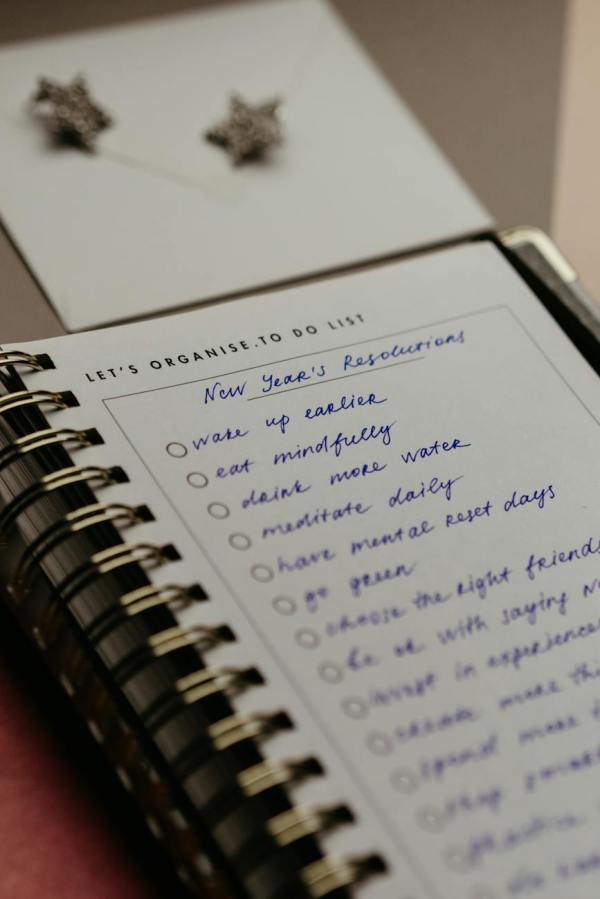


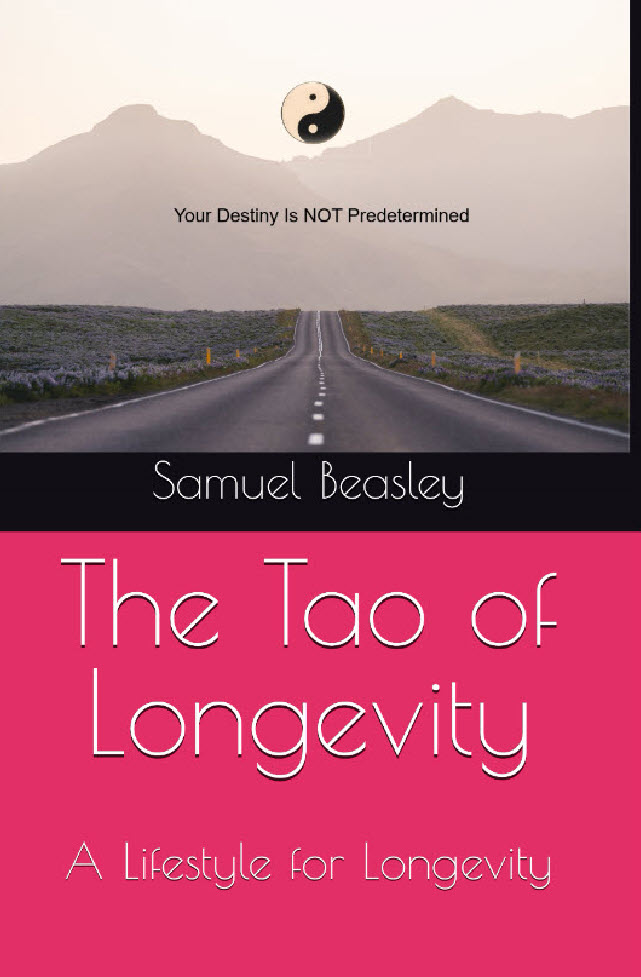


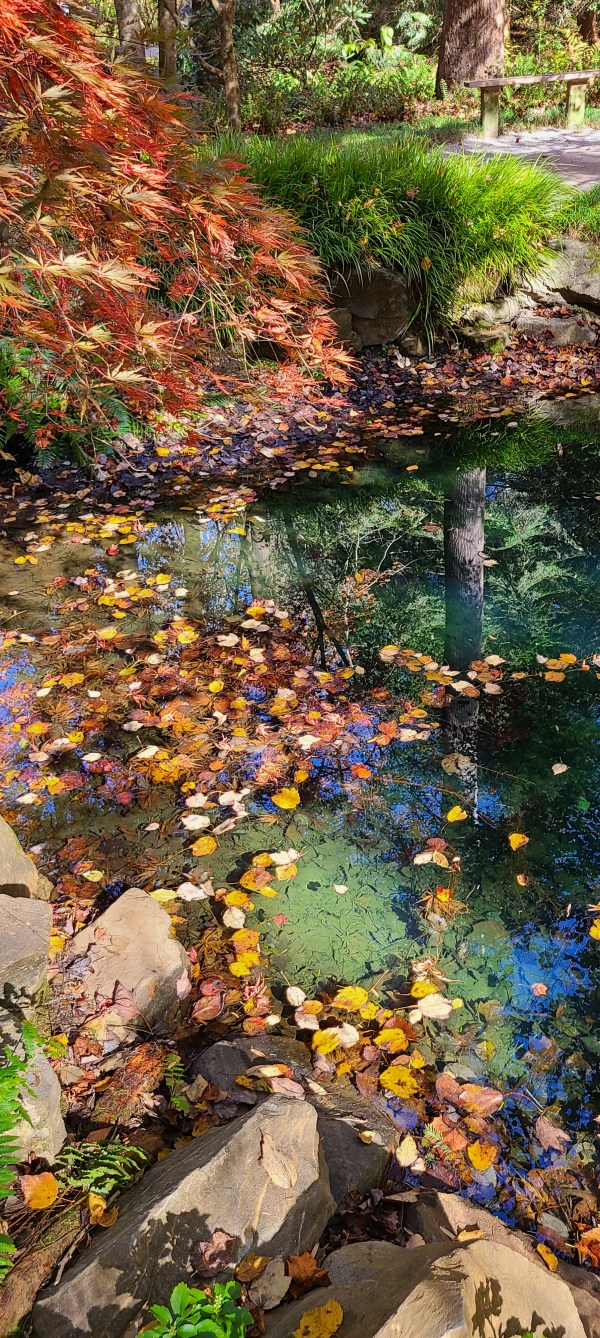
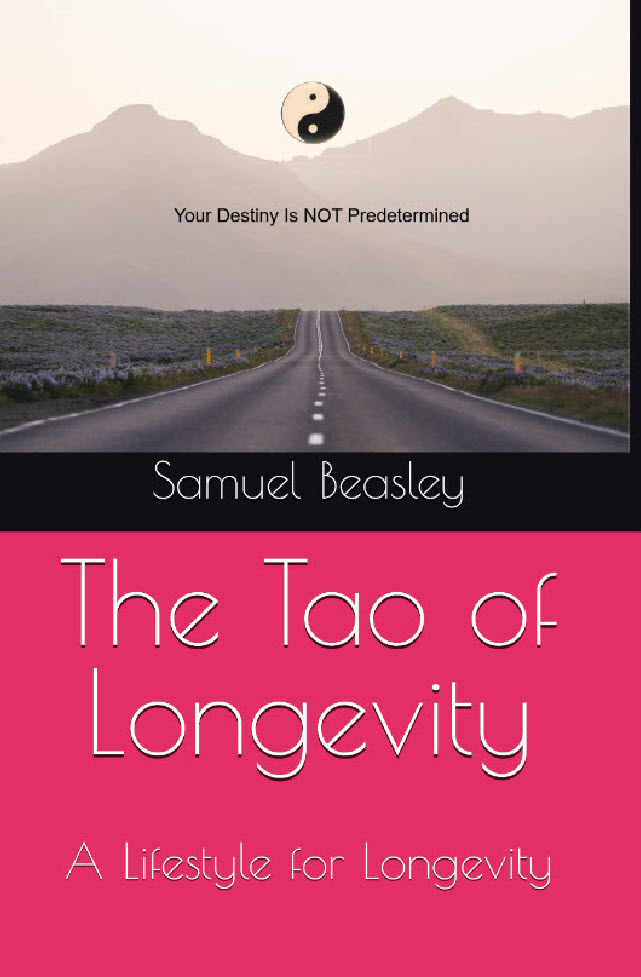



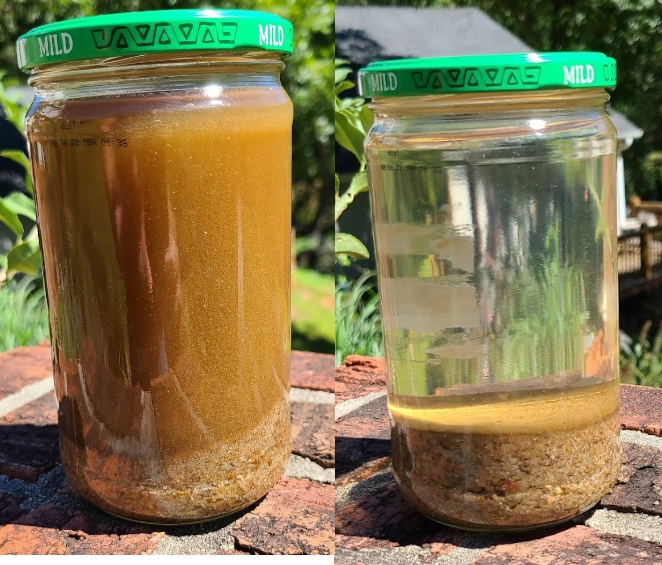
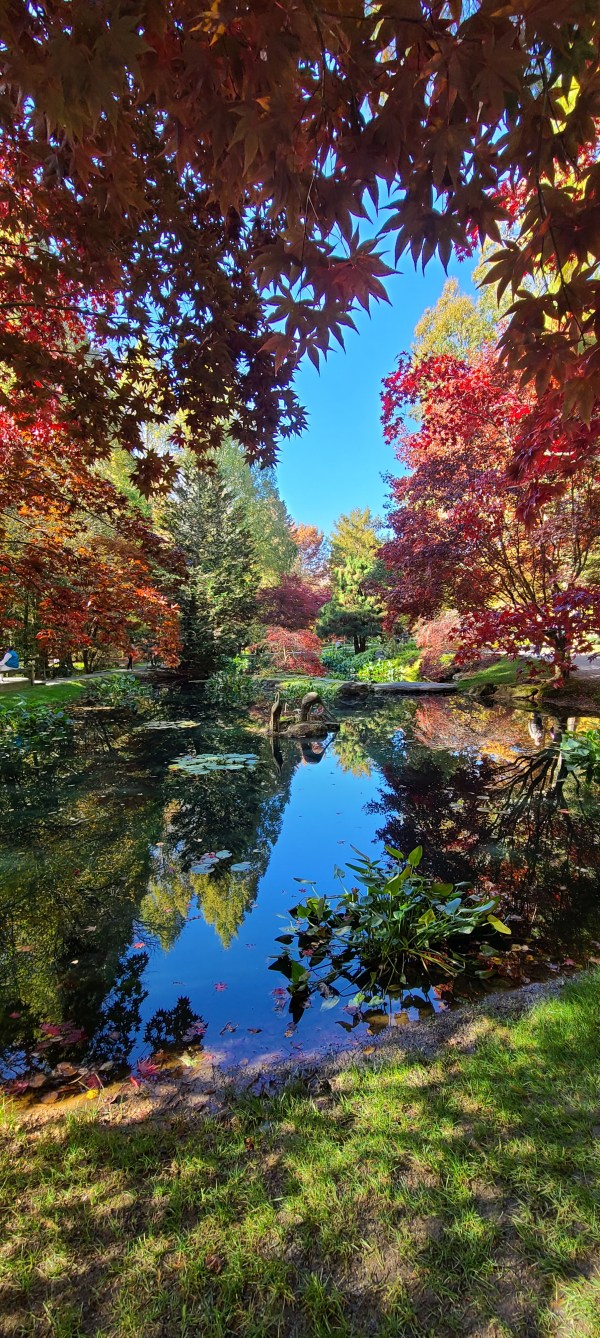


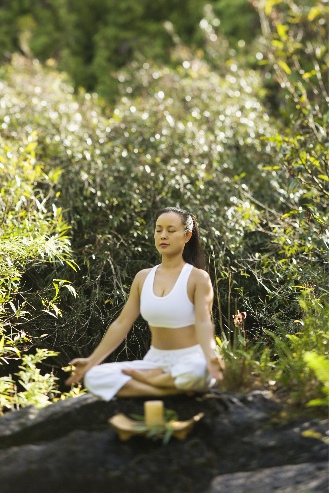
 The Tao of Longevity